Material Negotiation
Data as Action, Constraint, and Collective Form
This project documents a co-design workshop that approached data as something emerging through action. Participants worked with simple materials on pegboards under a shared constraint: they could coordinate physical action, but could not explain meanings or intentions. The workshop foregrounded negotiation through making, allowing collective form to develop through adjustment, interference, tension, and reorganization.
Data appears here as trace: continuity, displacement, tension, and reorganization made visible in evolving material form. The workshop frames constraint not as a limitation to overcome, but as a condition that reveals how people, materials, and decisions move together.
જ⁀➴જ⁀➴જ⁀➴ This project builds on the earlier Delicious Data study, which explored how everyday materials can shape tactile and experiential forms of data visualization. Extending that inquiry, this workshop shifts from personal data representation to collective material negotiation, asking how data can emerge through shared action, constraint, and traces of interaction.Workshop Overview
The workshop unfolded in two phases centered on a single activity: building on pegboards with given materials in response to the prompt:
“How do these materials create conditions of closeness or distance within this shared space?”
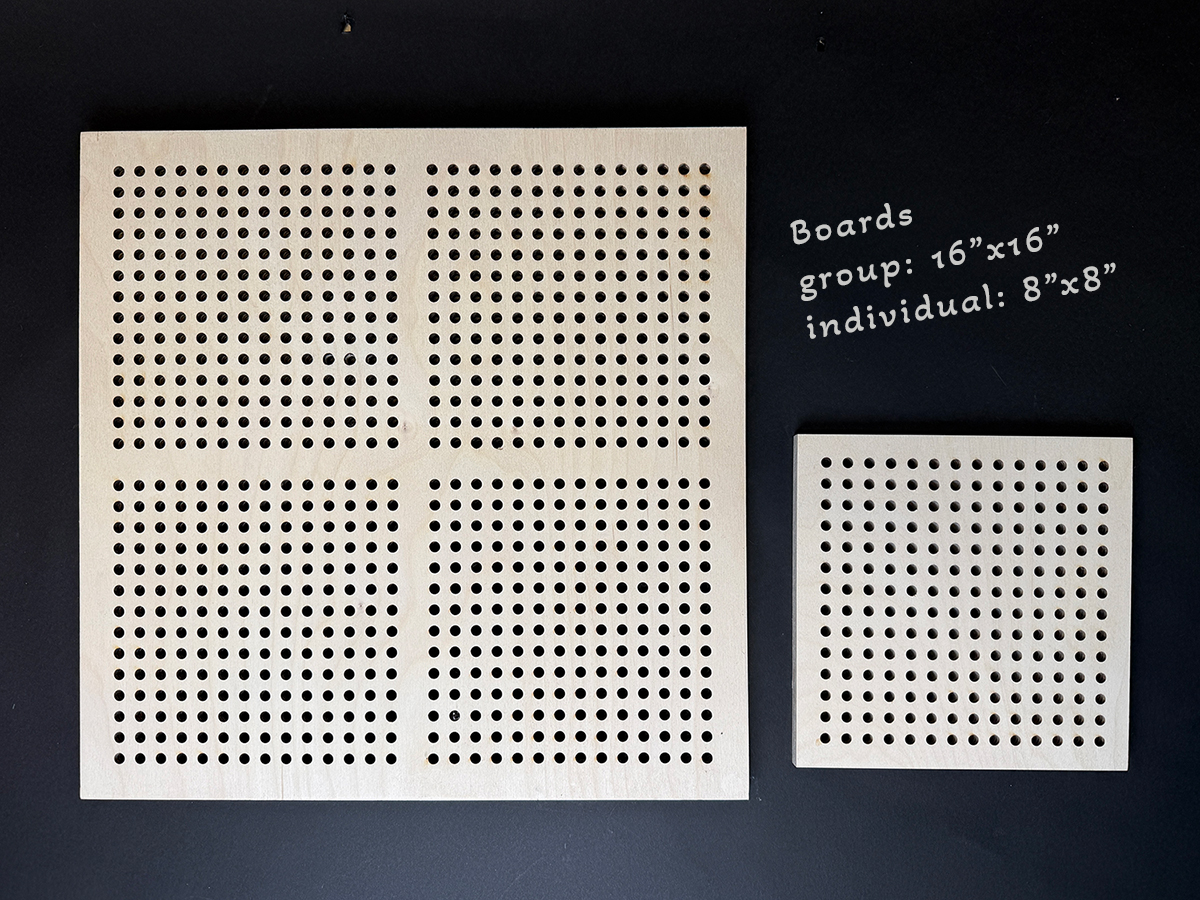
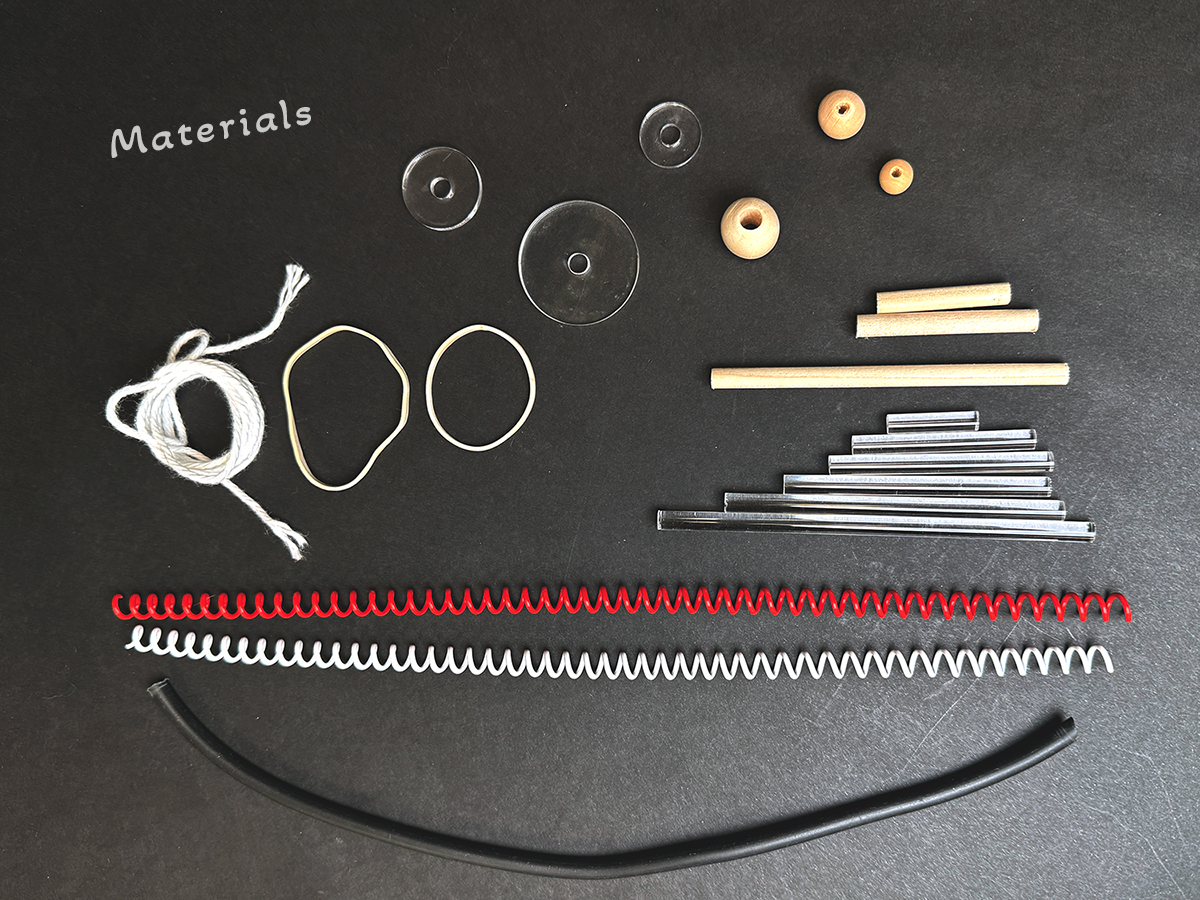
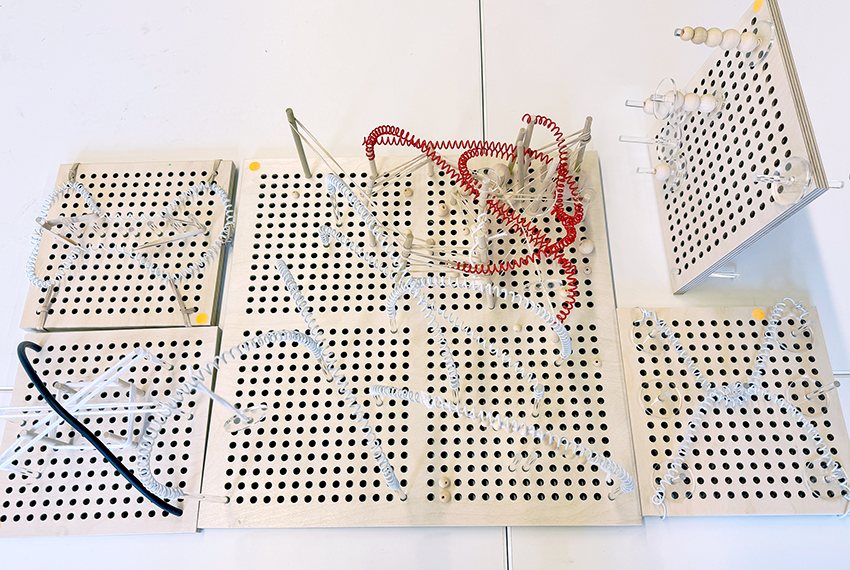
Participants first worked individually and in silence, each using a limited material set to explore the prompt through direct material action. They then moved into a shared group phase of three or four, working together on a larger pegboard with access to all materials. Earlier structures could be repeated, reworked, combined, or left behind as the collective form developed.
The goal of the workshop was to examine how collective form takes shape under constraint through material negotiation. Rather than aiming for agreement or a finished solution, the workshop focused on the evolving traces of adjustment, interference, persistence, and reorganization as participants responded to one another and to the behavior of materials in combination.
Phase I: Individual Configuration
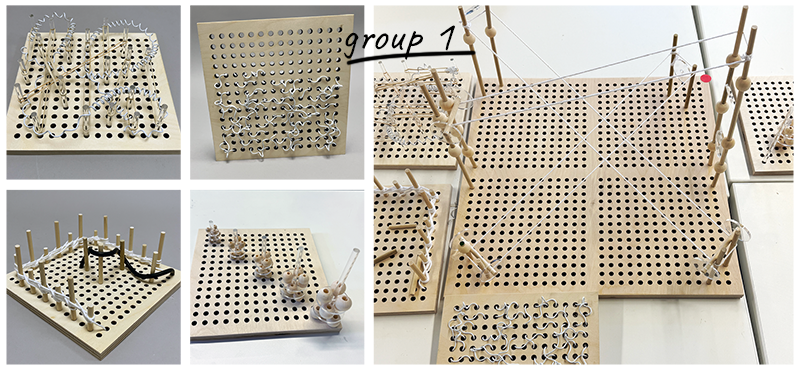
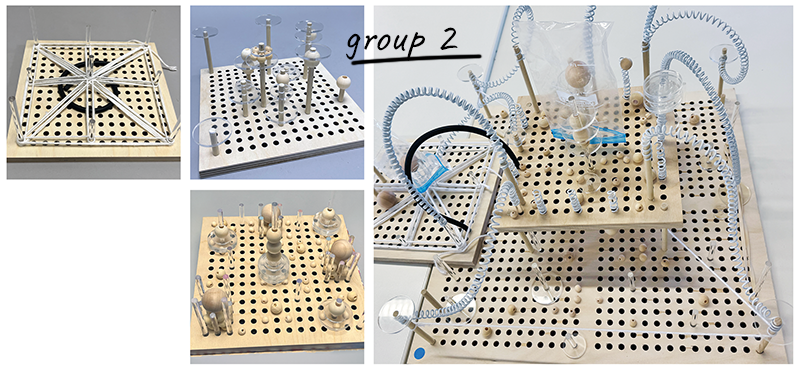
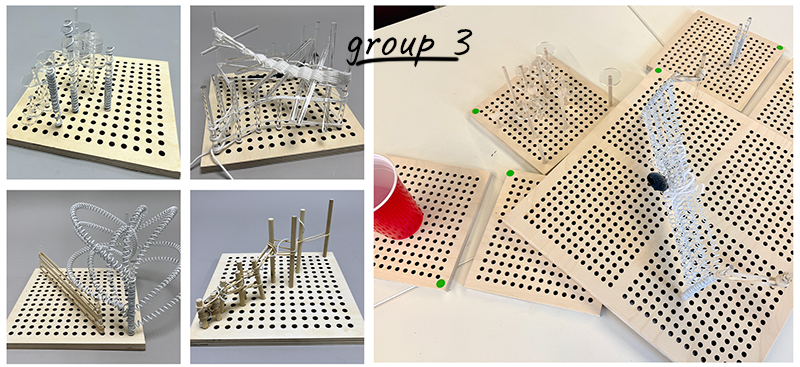
Phase I focused on individual micro-structures. Each participant received a small pegboard and a limited kit of materials and worked in silence. The task was to explore how the given materials shaped conditions of closeness or distance within a fixed space. Participants were encouraged to pay attention to material behavior such as pulling, spanning, collapsing, anchoring, resisting, or connecting.
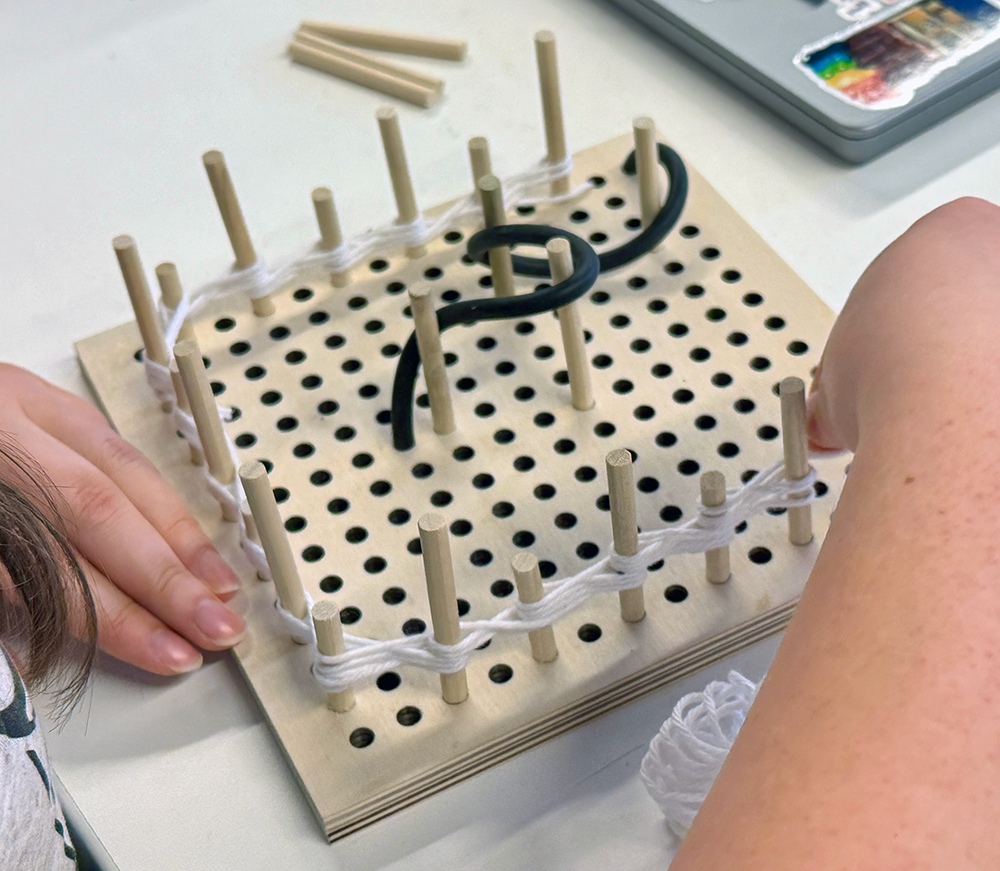
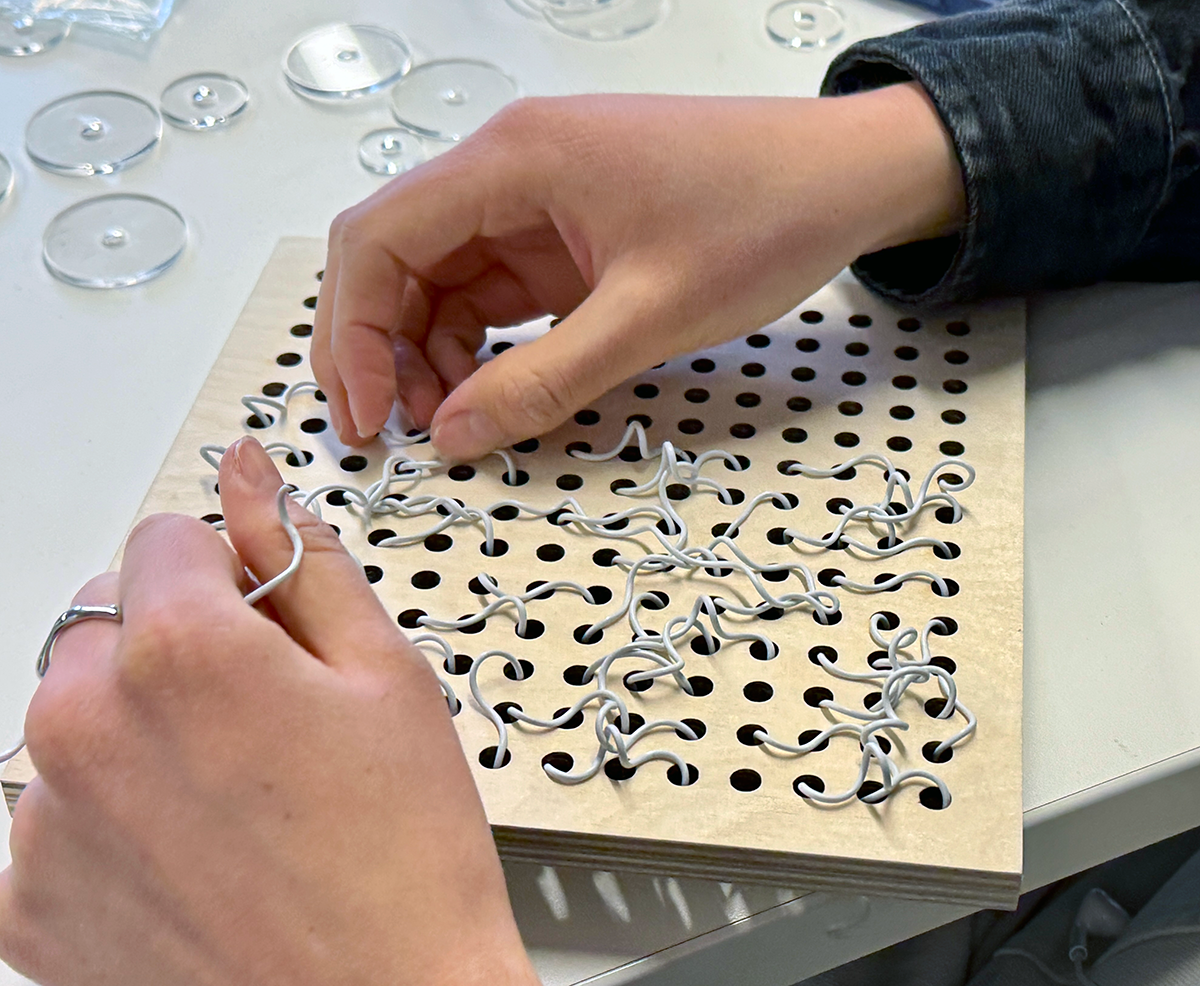
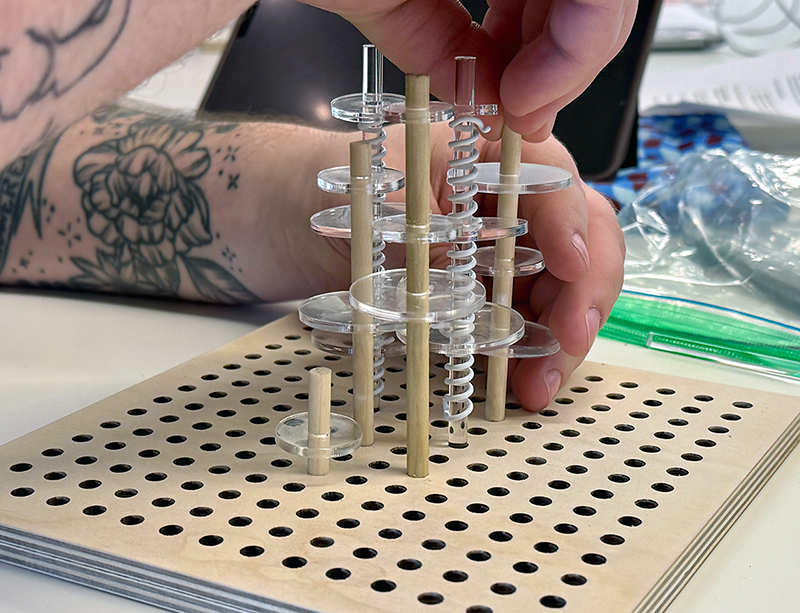
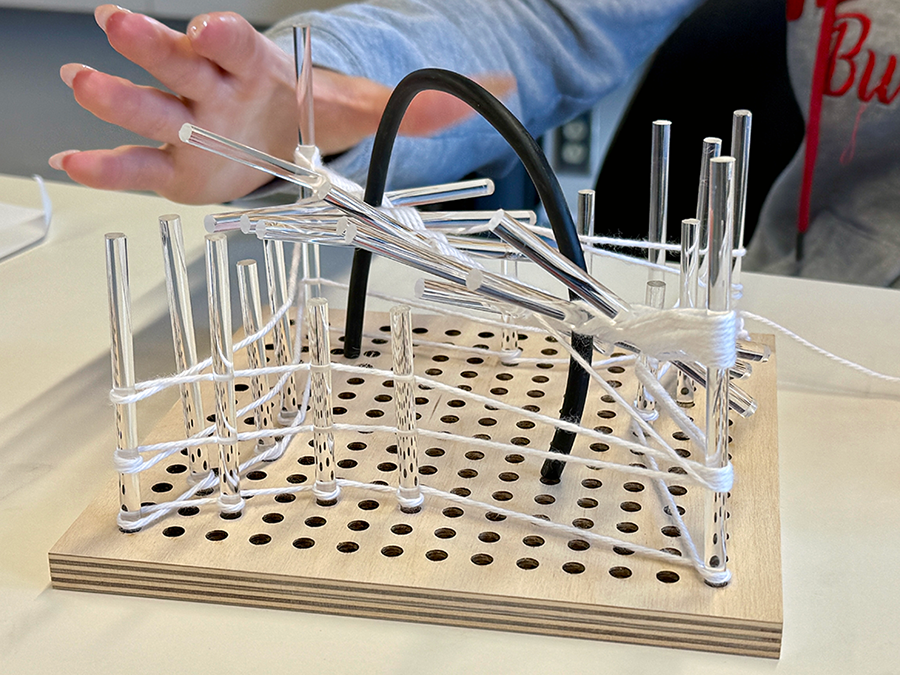
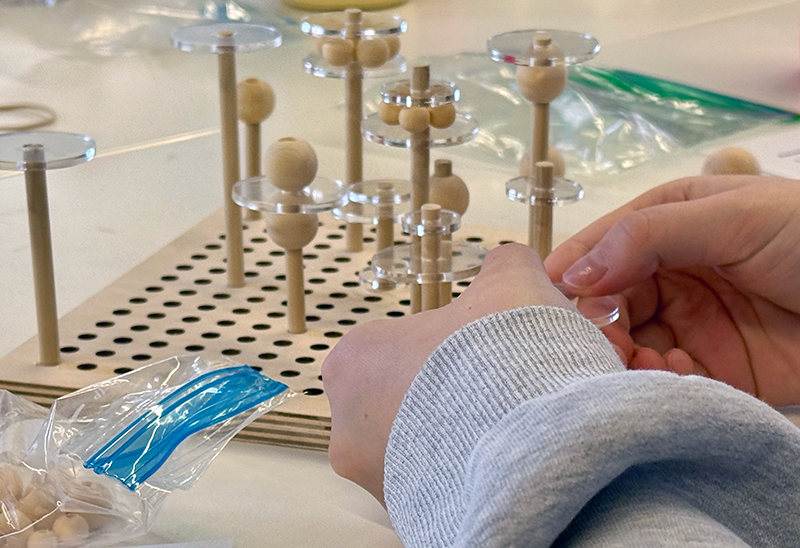
This phase brought out distinct material tendencies before group work began. Because each kit offered different affordances, participants developed different ways of organizing space and relation. Some structures emphasized tension and pull, while others explored weight, balance, repetition, or extension. These early constructions served as initial positions, showing how each participant engaged constraint through making.
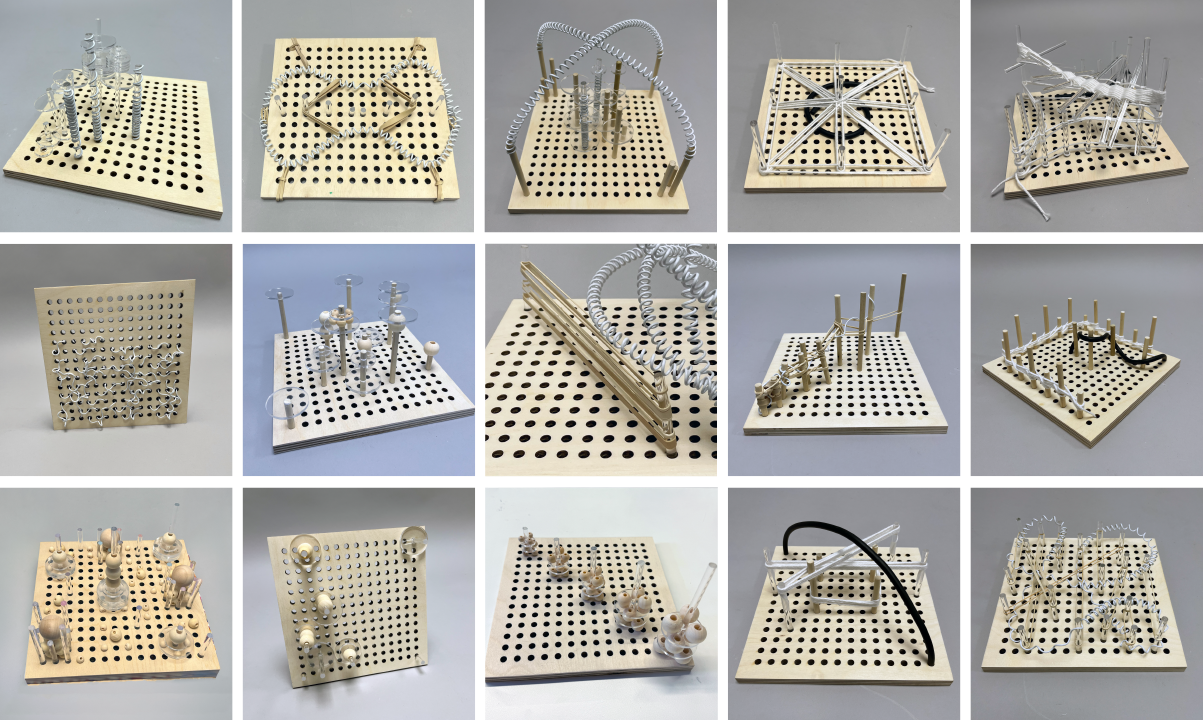
Phase II: Group Configuration
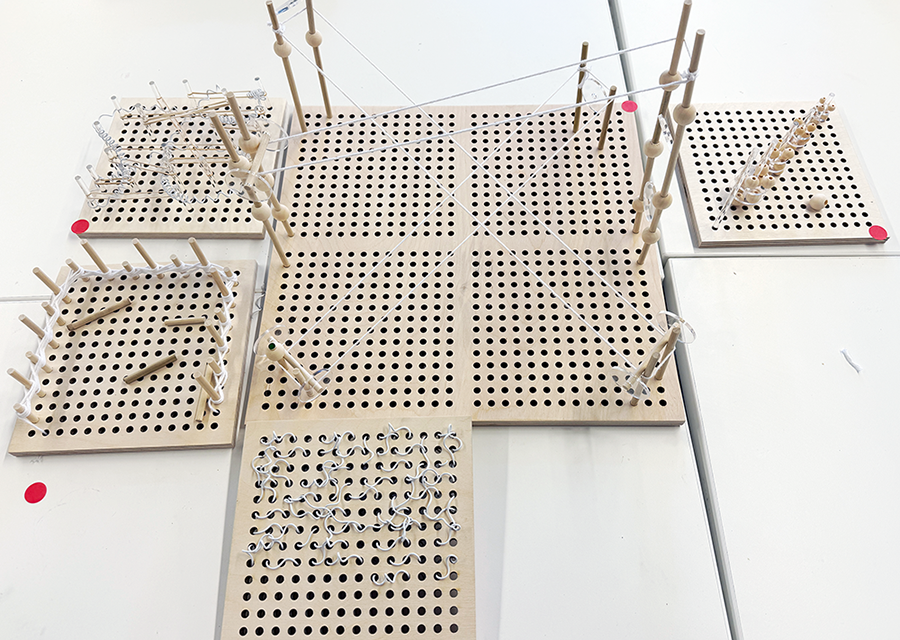
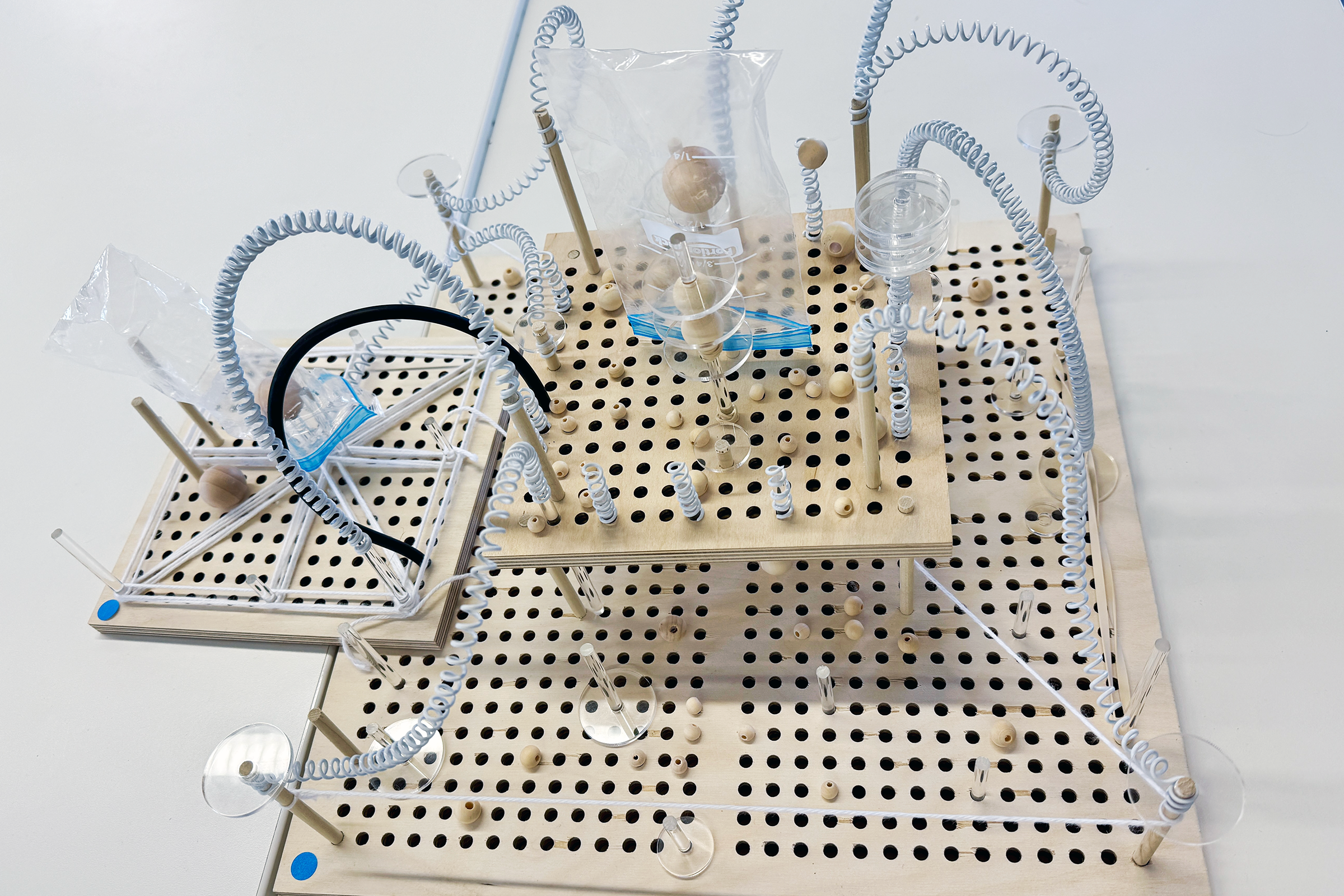
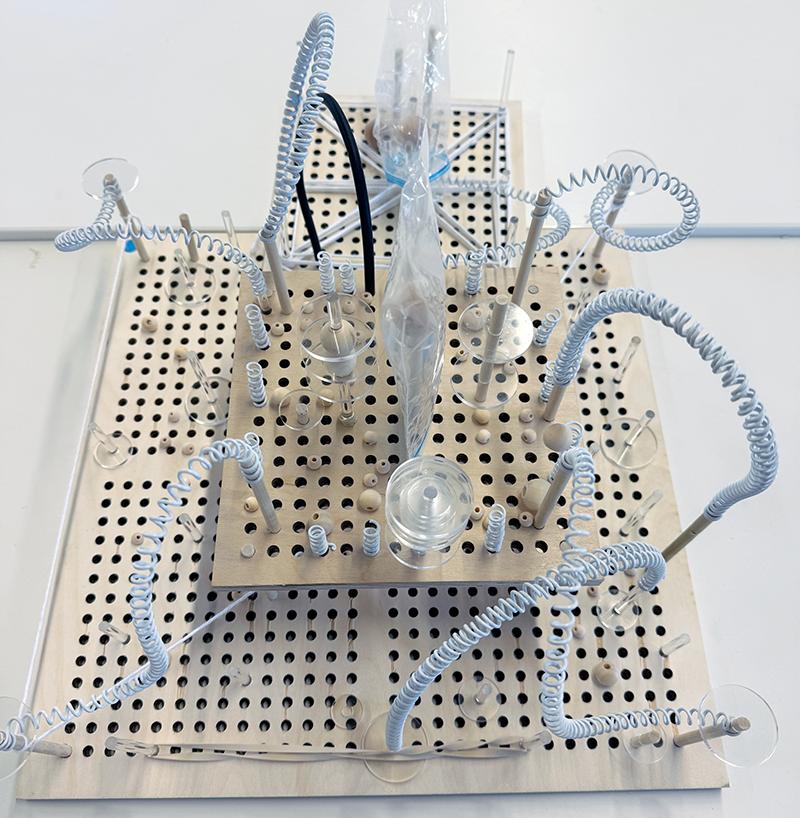
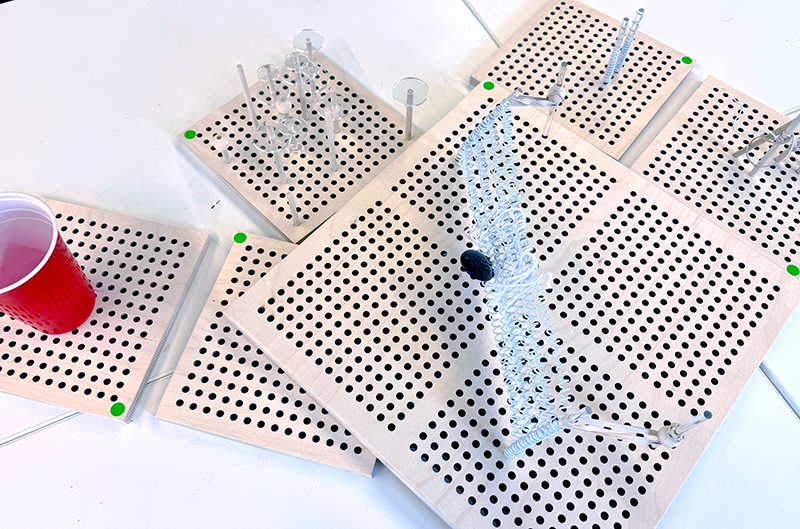
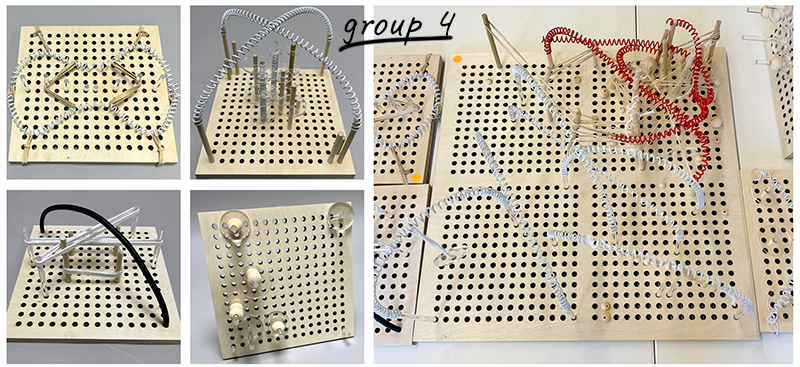
Phase II shifted from individual exploration to collective reorganization. Participants brought their small boards to a shared large pegboard and worked together on a single structure. They could repeat, modify, merge, or discard earlier ideas, but they were still restricted from explaining intentions or meanings. Communication was limited to coordinating physical action.
In this phase, collective form emerged less through additive combination than through intervention, displacement, and response. Earlier structures were sometimes preserved, but often altered, absorbed, or overtaken as participants negotiated through direct material action. The large pegboard became a record of those negotiations, holding traces of persistence, interruption, tension, and adaptation over time.
group 1
group 2
group 3
group 4
Documentation + Analysis
This project was documented through photographs of the pegboard structures, facilitator notes, video recordings of the large boards and verbal reflections, and participants’ written reflections after the workshop. Together, these materials captured both the changing structures and participants’ own accounts of coordination, friction, and negotiation.
The analysis focused on the shift from individual building to group construction. Phase I boards were treated as starting configurations, and Phase II group boards were examined in relation to them to identify what was carried forward, reworked, removed, reinforced, or reorganized. This made it possible to trace how collective form developed across the workshop.
A key distinction in the analysis is between the final configuration and the material traces within it. The final configuration is the arrangement reached at the end of Phase II. Material traces are the visible signs of earlier actions and adjustments that remain in that arrangement, including continuities, revisions, and unresolved tensions. Read alongside observation and reflection, those traces made the evolving structure interpretable as data.
Gemini was used to review the anonymous written reflections for recurring patterns and insights. ♬⋆.˚As a playful extension of that process, Gemini's "Create Music" tool was also used to generate a song from the relfection content, which can be heard here.